About Me
I am a 1st-year CS PhD student at Rutgers University, advised by Prof. Ruixiang (Ryan) Tang. I obtained my master's and bachelor's degree at the SIGMA Lab of Wuhan University, supervised by Prof. Zengmao Wang and Prof. Bo Du.
Previously, I was a research intern at RZ-Lab, Purdue University, advised by Prof. Ruqi Zhang. I was also fortunate to work with Prof. Lu Cheng, Prof. Bo Han, and Dr. Jianing Zhu.
My current research centers on building trustworthy agentic and generative AI systems, with an emphasis on RL for Agentic LLMs and Diffusion Models, focusing on safety, reliability, and robustness. I also work on reliable detection of AI-generated visual content (e.g., images, videos) and interdisciplinary applications of ML in healthcare (Immunology, Cell Morphology).
๐ฅ If you share these research interests or have feedback on my previous work, feel free to drop me an email or add my WeChat โ I am always delighted to discuss potential collaborations!
News
Recent Projects
Selected Publications
View All โ
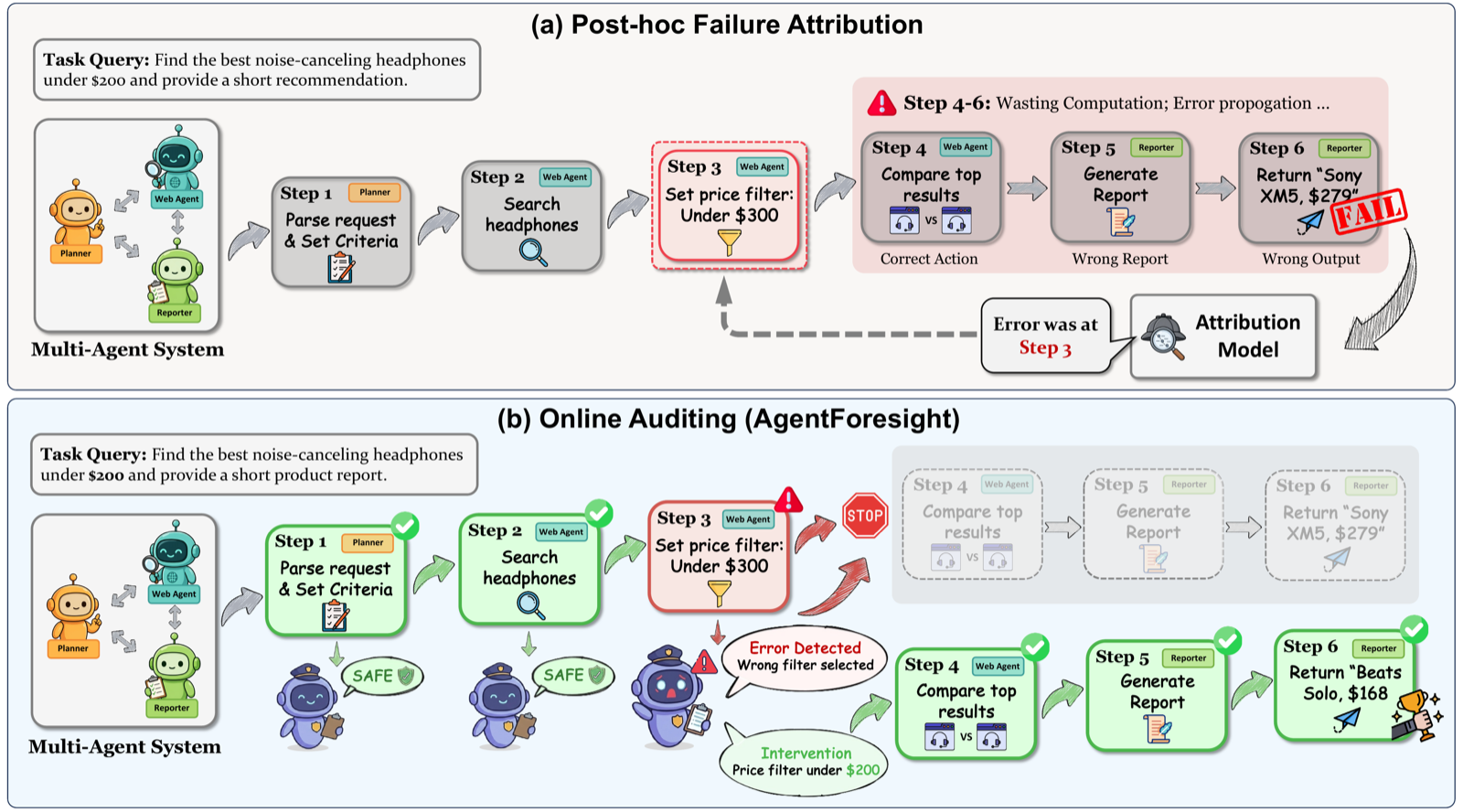
AgentForesight: Online Auditing for Early Failure Prediction in Multi-Agent Systems
Boxuan Zhang*, Jianing Zhu*, Zeru Shi, Dongfang Liu, Ruixiang Tang
arXiv preprint arXiv:2605.08715 2026
We reframe agentic failure analysis from post-hoc attribution on completed trajectories to online auditing on unfolding prefixes, where an auditor commits a continue-or-alarm verdict at every step.

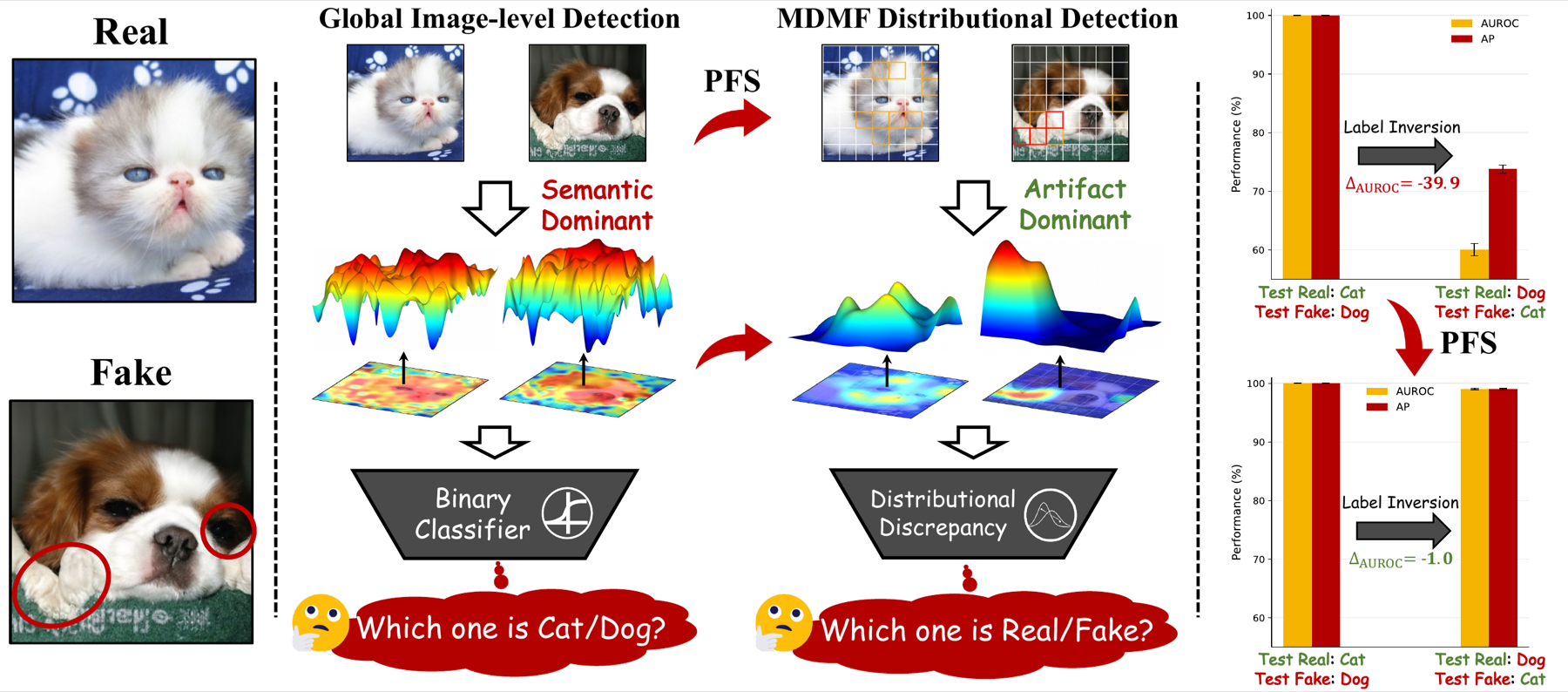
Micro-Defects Expose Macro-Fakes: Detecting AI-Generated Images via Local Distributional Shifts
Boxuan Zhang, Jianing Zhu, Qifan Wang, Jiang Liu, Ruixiang Tang
arXiv preprint arXiv:2605.09296 2026
We propose Micro-Defects expose Macro-Fakes (MDMF), a local distribution-aware detection framework that amplifies micro-scale statistical irregularities into macro-level distributional discrepancies for AI-generated image detection.

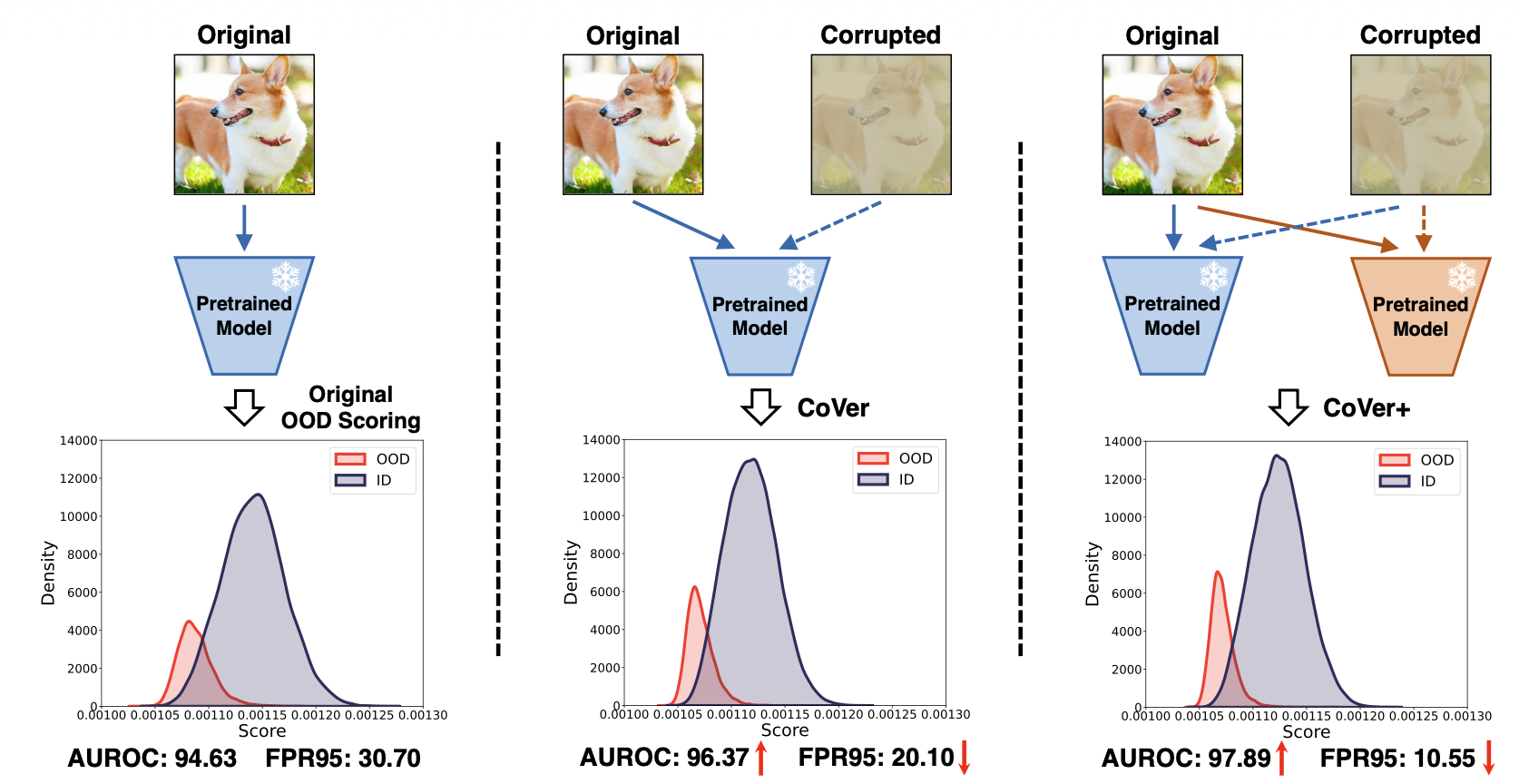
What If the Input is Expanded in OOD Detection?
Boxuan Zhang*, Jianing Zhu*, Zengmao Wang, Tongliang Liu, Bo Du, Bo Han
Advances in Neural Information Processing Systems 2024
Propose a novel perspective to employ different common corruptions on the input space to expand the representation dimension for out-of-distribution detection.